经济观察
IMF 七月展望:能源冲击与技术投资拉开增长差异
IMF 预测 2026 年全球增长 3.0%,不同经济体面临的压力与机会并不相同。
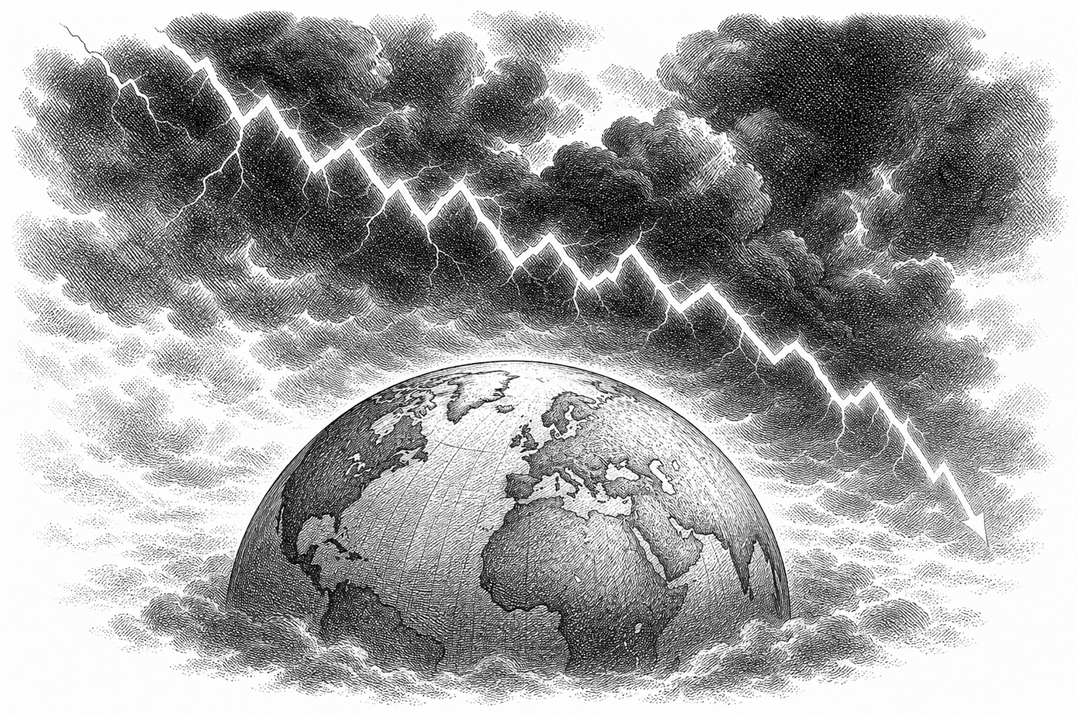
IMF 在 2026 年 7 月《世界经济展望》更新中预测,全球经济在 2026 年增长 3.0%,2027 年增长 3.4%。这些数值是预测,不是已实现的年度结果。
总量之外的分化
报告指出,战争相关冲击拖累能源进口国和脆弱经济体;人工智能相关需求则支持部分技术产业链中的经济体。
对跨境经营的启示
面向多个市场的企业不宜仅凭全球平均增速安排收款与资金计划,还应结合当地需求、能源成本和汇率变化。
比较更新时,别只盯着一个小数
与四月预测相比,七月更新中的不同年份增长路径有所调整。较远年份的回升,不能抵消当前市场的具体压力,也不能直接换算成企业明年的收入增长。
经营分析可以将市场拆开:客户所在经济体、收入币种、主要成本与回款周期分别记录。这样,当需求或汇率变化时,能判断交易额变化来自销量、价格还是换算口径。
同样的冲击,为什么结果可能相反
能源进口成本上升,会给部分经济体的家庭和企业带来压力;技术设备和相关服务需求增加,则可能支持另一部分经济体的出口与投资。一个跨多国经营的企业,可能同时在不同市场看到这两种变化。
因此,预算讨论最好按客户市场与成本来源拆开。来自技术需求的订单增长,不必然抵消另一个地区因成本上升而减少的消费;即使总收入看起来持平,利润、库存和资金占用也可能已经改变。
七月更新如何接续前两份报告
2026 年增长预测从 1 月的 3.3%、4 月的 3.1%调整为本次的 3.0%。这条时间线描述判断随信息变化的过程,并非三次实际 GDP 测量。对 2027 年的预测回升,也需要放在七月报告的假设下理解。
文末附 IMF 官方视频,便于配合报告阅读。比较地区数据或预测修订时,仍应查阅相同版本的文字与表格,避免把某个片段中的情景假设误当成整份报告的基准判断。
The IMF’s July 2026 update projects global growth of 3.0% in 2026 and 3.4% in 2027. These are forecasts, not realised annual outcomes.
Uneven conditions
War-related shocks weigh on energy importers and vulnerable economies, while AI-related demand supports parts of the technology value chain.
Editorial perspective
A global average alone is insufficient for cross-border business planning. Local demand, energy costs and currency conditions remain relevant to payment and cash-flow decisions.
Compare the paths behind the decimal
A stronger projection for a later year does not remove current pressures or translate directly into next year’s business revenue. Break the analysis down by customer market, revenue currency, major costs and collection cycle. This helps separate volume, pricing and currency translation when payment values change.
The same shock can affect markets differently
Higher imported energy costs put pressure on some households and firms, while demand for technology equipment can support exports and investment elsewhere. A multinational business can encounter both patterns at once.
Budgets are more informative when separated by customer market and cost source. Growth in one segment does not necessarily offset weak demand elsewhere; stable revenue can conceal changes in margins, inventory and working capital.
Connect the forecast vintages
The 2026 projection moves from 3.3% in January to 3.1% in April and 3.0% in July. These are successive assessments, not three measurements of realised annual GDP. The 2027 improvement also depends on July’s assumptions.
The official IMF video below accompanies the report. Use the matching written release and tables when checking a regional figure or distinguishing a scenario from the baseline.
来源 · SOURCES
本文基于上述公开报道与官方文件整理,仅作行业信息分享,不构成任何投资建议。