经济观察
IMF 四月展望:战争阴影下,2026 全球增长下修至 3.1%
IMF 四月基准预测为 2026 年增长 3.1%、2027 年增长 3.2%。读懂预测条件与地区差异,才能判断它与订单、价格和回款的关系。
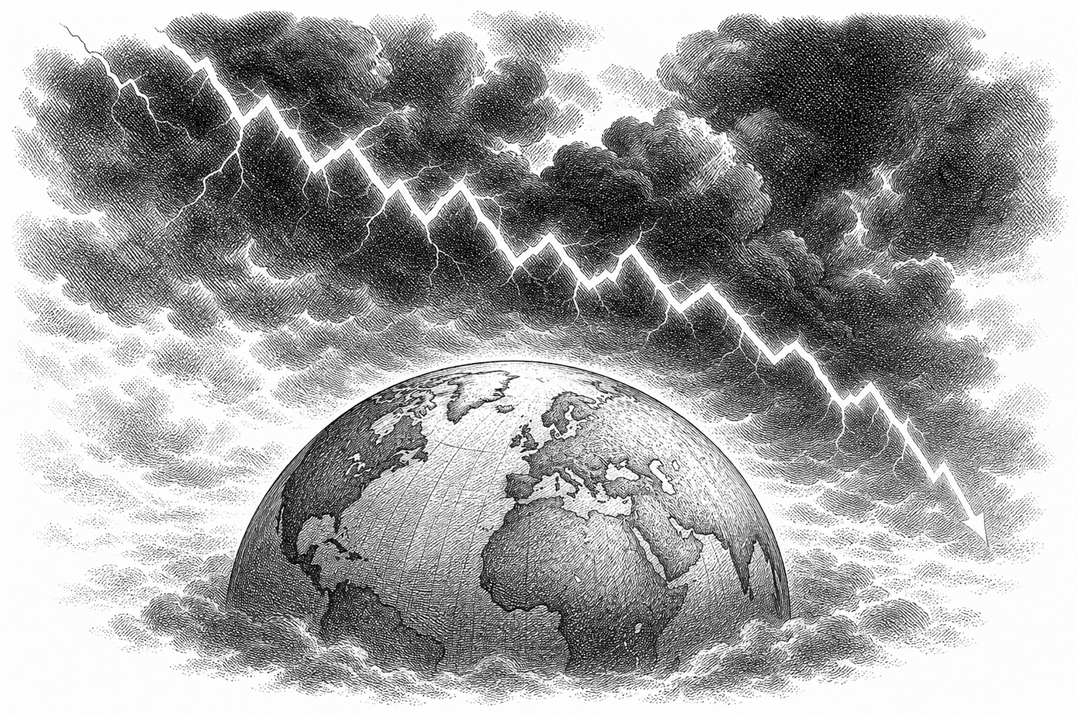
IMF 于 2026 年 4 月 14 日发布《世界经济展望》。在中东冲突持续时间与范围有限的基准假设下,预计 2026 年全球增长 3.1%,2027 年增长 3.2%。
先读预测的条件
这些数字是基于当时信息形成的预测,并非全年实际结果。报告指出,总体通胀可能在 2026 年温和回升,随后在 2027 年继续下降。冲突扩大、贸易摩擦与金融环境变化,都可能改变这一轨迹。
为什么全球平均值不够用
报告认为,新兴市场和发展中经济体面临的增长与通胀压力更突出。经营多个市场时,把全球增速直接当作每个市场的订单增长率,会掩盖地区差异。
更有用的读法是先确定主要客户在哪里、商品与运费受什么影响,再查看对应经济体的数据和报告假设。宏观总量提供背景,企业自己的订单与回款数据才回答业务发生了什么。
从支付数据中看传导
分析交易金额时,最好同时查看订单数量、客单价和币种。金额增长可能来自价格或汇率变化,未必代表顾客买得更多。回款周期变长也应区分付款需求、物流交付与渠道处理环节。
继续阅读:七月更新提供了后续预测。比较两期时,请同时比较假设与地区变化。
能源冲击不只影响油价那一栏
能源成本可能沿运输、生产与供应商报价传导到企业。对于进口依赖较高的市场,同样的外部价格变化可能产生不同程度的压力。企业若只看销售额,容易漏掉毛利与资金周转的变化。
例如,订单量保持稳定,但运费和采购预付款提高,企业需要提前占用更多资金;若同时为了维持客户价格而没有完全转嫁成本,利润与回款之间的关系也会改变。这是分析传导的情景,不是报告对所有商户的统一预测。
将不同版本放在同一时间线上
1 月更新对 2026 年全球增长的预测为 3.3%,本次基准预测为 3.1%。差异既要读数字,也要读其背后的环境变化。附带的官方发布会可以补充说明,但涉及地区数字时,应回到相同版本的表格核对。
一份专业预算可以保留当时使用的版本与假设,并注明后来为什么修改。这样读者或团队能够理解判断的演变,而不至于把新信息出现后的修订误认为原先数据被随意改写。
The IMF’s April 2026 World Economic Outlook projects global growth of 3.1% in 2026 and 3.2% in 2027, assuming the Middle East conflict remains limited in duration and scope.
Start with the assumptions
These are forecasts, not completed-year results. The report expects headline inflation to rise modestly in 2026 before declining again in 2027. A broader conflict or renewed trade friction could alter that path.
A global average is not a business forecast
The IMF identifies stronger pressures in emerging and developing economies. For a business serving several countries, the global number should frame the analysis rather than substitute for local demand data.
Read payment data carefully
Compare order counts, average ticket size and currency alongside total payment value. Higher value can reflect prices or exchange rates rather than more purchases. Separate demand, fulfilment and payment-processing delays when reviewing collections.
The July update provides a later forecast. Compare assumptions as well as headline numbers.
Energy costs travel through the business
Transport, production and supplier prices can transmit an energy shock. Import dependence changes its effect across markets. Revenue alone can conceal pressure on margins and working capital.
For example, stable order counts can coexist with higher freight costs and larger procurement advances. A company holding its selling prices steady may need more funds while earning less margin. This is an illustration of transmission, not a uniform forecast for merchants.
Put releases on a timeline
The January forecast for 2026 was 3.3%, compared with April’s 3.1% baseline. Read the changed environment alongside the numerical revision. The official briefing adds explanation, while matching tables verify specific figures. Preserving the forecast version and assumptions makes later budget revisions explainable.
来源 · SOURCES
- IMF · World Economic Outlook, April 2026(官方报告)
- IMF · 发布会文字实录
- IMF · World Economic Outlook Update, January 2026
本文基于上述公开报道与官方文件整理,仅作行业信息分享,不构成任何投资建议。